Tambuli Teams Present Latest Updates on Language Work for the Philippines’ “Last 45” Languages
Manila, Philippines
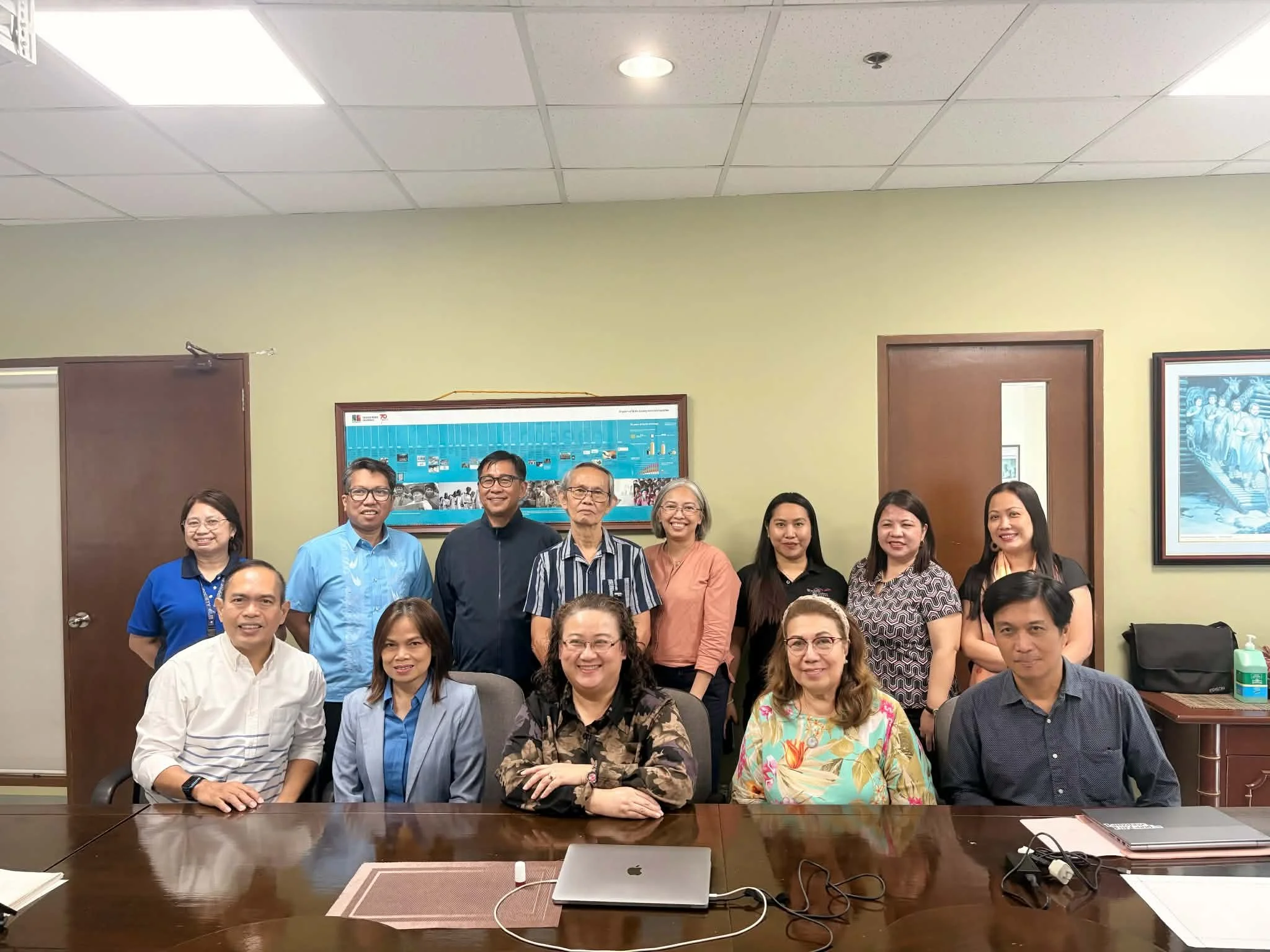
Leaders from several organizations involved in Bible translation and Scripture access in the Philippines gathered on February 24 at the Philippine Bible Society in Manila to share updates and reaffirm their commitment to the “Tambuli Commitment: The Last 45 Languages.”
The term “Tambuli” comes from a traditional Filipino instrument made from a carabao horn. It was traditionally used to call people together for assemblies, announcements, and collective decision-making, promoting the safety and well-being of the community.
Today, this image has been adopted as a powerful symbol for a unified call to serve language communities in the Philippines. The community of practice is called Tambuli, and the Tambuli Commitment: The Last 45 Languages is an invitation to Filipino churches, Non-Governmental Organizations (NGOs) that focuses on language development, linguistics, literacy, and translation work, and Bible Translation organizations to work together so that every language group in the country can receive Scripture in a language they understand.
Participants in this meeting included Mrs. Laura Valledo, Pastor Marfeal Santiago, and Rev. Edgar Ebojo from the Philippine Bible Society; Ms. Jill Choa, Dr. Ryn Jean Gonzales, and Ms. Maricris Bravo from SIL Philippines; Pastor Joseph Villaflor and Mr. Tony Dasalla from the Translators Association of the Philippines; Mrs. Edith Sola, Mrs. Catherine Miedes, and Ms. Risen Grace Lucagan from Wycliffe Philippines. Pastor Lloyd Estrada from Faith Comes By Hearing Philippines was invited by Tambuli to share a list of available New Testament recordings and portions of Oral Bible Translations in the Philippines.
Each organization shared updates on the progress of the 45 languages they are working on. They also discussed ways to support and encourage one another in fulfilling the Tambuli Commitment to ensure that every language community in the Philippines has access to God’s Word.
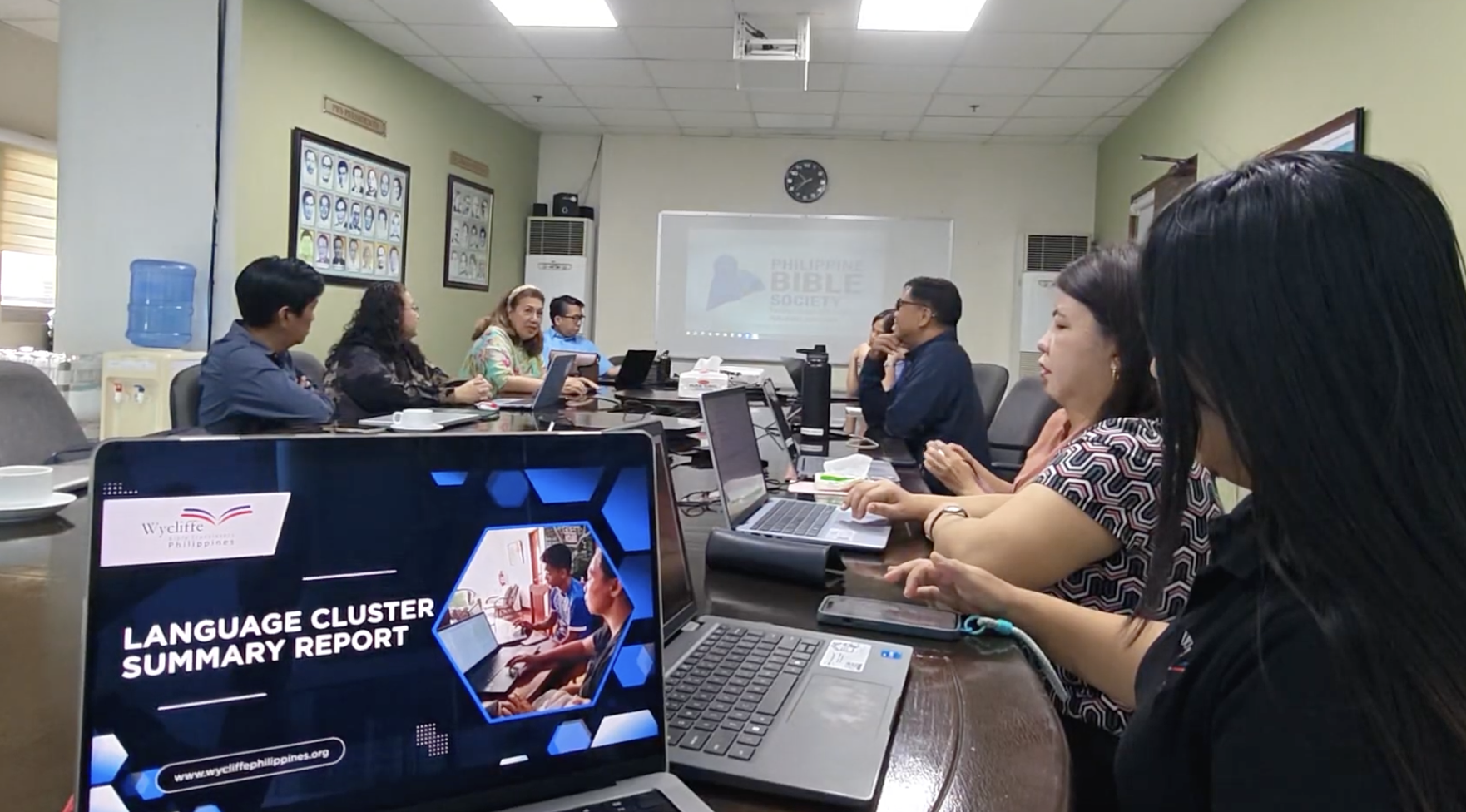
The list shows several Philippine languages that are being served or identified for Bible translation work by different organizations.
Wycliffe Philippines is assigned to the following language communities, the Agta Alabat Island, Agta Isarog, Agta Mt. Iraya, Agta Mt. Iriga, Northern and Southern Alta, Arta, Atta Faire, Atta Pudtol, Bantayanon, Baybayanon, Itneg Maeng, Itneg Moyadan, Kasiguranin, Kinamiging Manobo, Ratagnon, Dabawenyo, Giangan, I-wak, and Isinai.
Another set of languages is supported by the Translators Association of the Philippines (TAP), including Ata, Ati, Northern and Southern Binukidnon, Northern, Southern and Southwestern Bontok, Capiznon, Malaynon, Porohanon, Sulod, Tandaganon, and West Albay Bikol.
Philippine Bible Society (PBS) is involved in translation work for Ayta Sorsogon, Libon Bikol, Miraya Bikol, Northern Catanduanes Bikol, Southern Catanduanes/Viracnun Bikol, Northern and Southern Sorsoganon.
Summer Institute of Linguistics Philippines (SIL) is involved in supporting several language communities in the country through linguistic and translation work. Among the languages they engage with are Magbukun Ayta, Remontado Dumagat, Kagan Kalagan and Kinabalian.
In addition, Iranun is identified as another language need according to All Access Goals. The list also notes large language groups (500,000+ speakers) that still lack a complete Old Testament translation, including Capiznon, Inakeanon/Aklanon, Maguindanaon, Maranao, and Tausug, with varying stages of translation progress, from ongoing work to completed full Bibles.
The Tambuli Commitment: The Last 45 Languages continues to be a shared calling. Leaders stressed that unity, humility, and collaboration will be crucial to completing the work. Participants also underscored the importance of prayer as they seek God’s guidance, provision, and direction for the next steps.
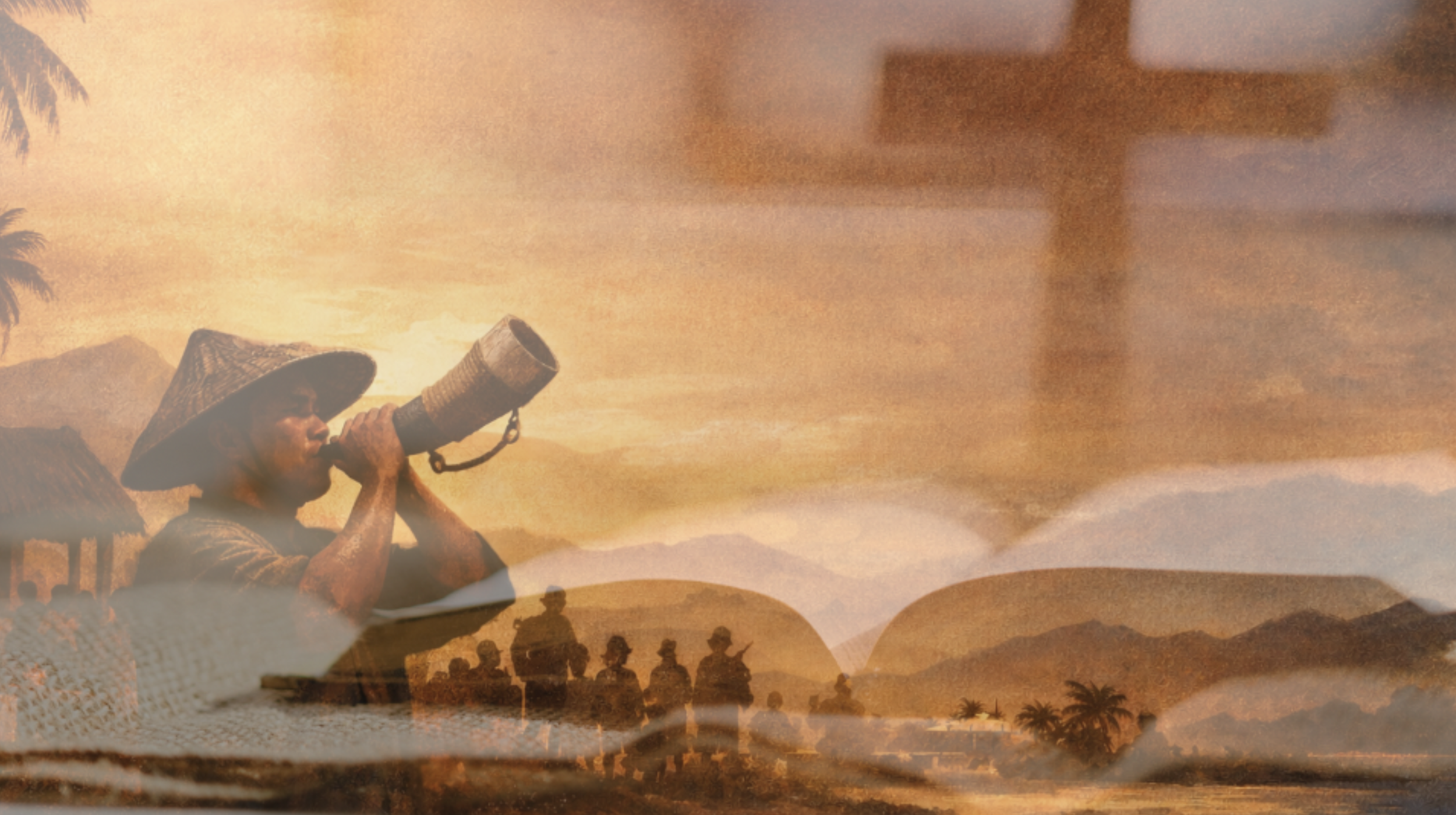
Like the sounding of the tambuli in the early Filipino communities, the Tambuli Community of Practice continues to call to listen, gather, and act together, so that every Filipino language community may encounter God’s Word in a language that speaks to their heart.
To support this mission, you may click here to visit our donate page.