The Incarnational Heart of Bible Translation
Quezon, Bukidnon, Philippines
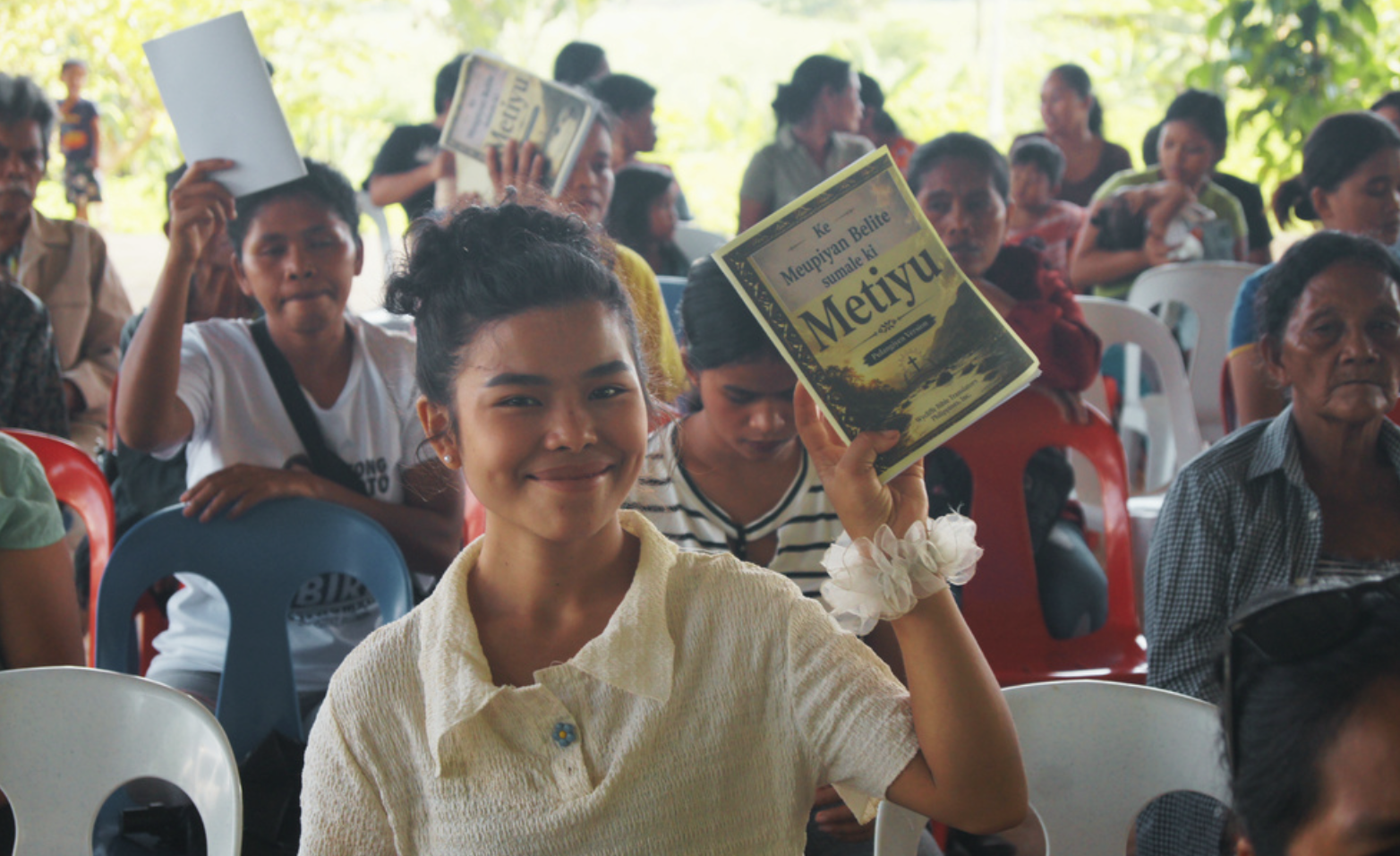
For one man in the Pulangiyen community, a small printed book carried a deeply personal significance. As he looked at the Gospel of Matthew, translated into Pulangiyen, he realised he was seeing his own language in written form for the first time.
“It was the first time I saw our language written,” he shared.
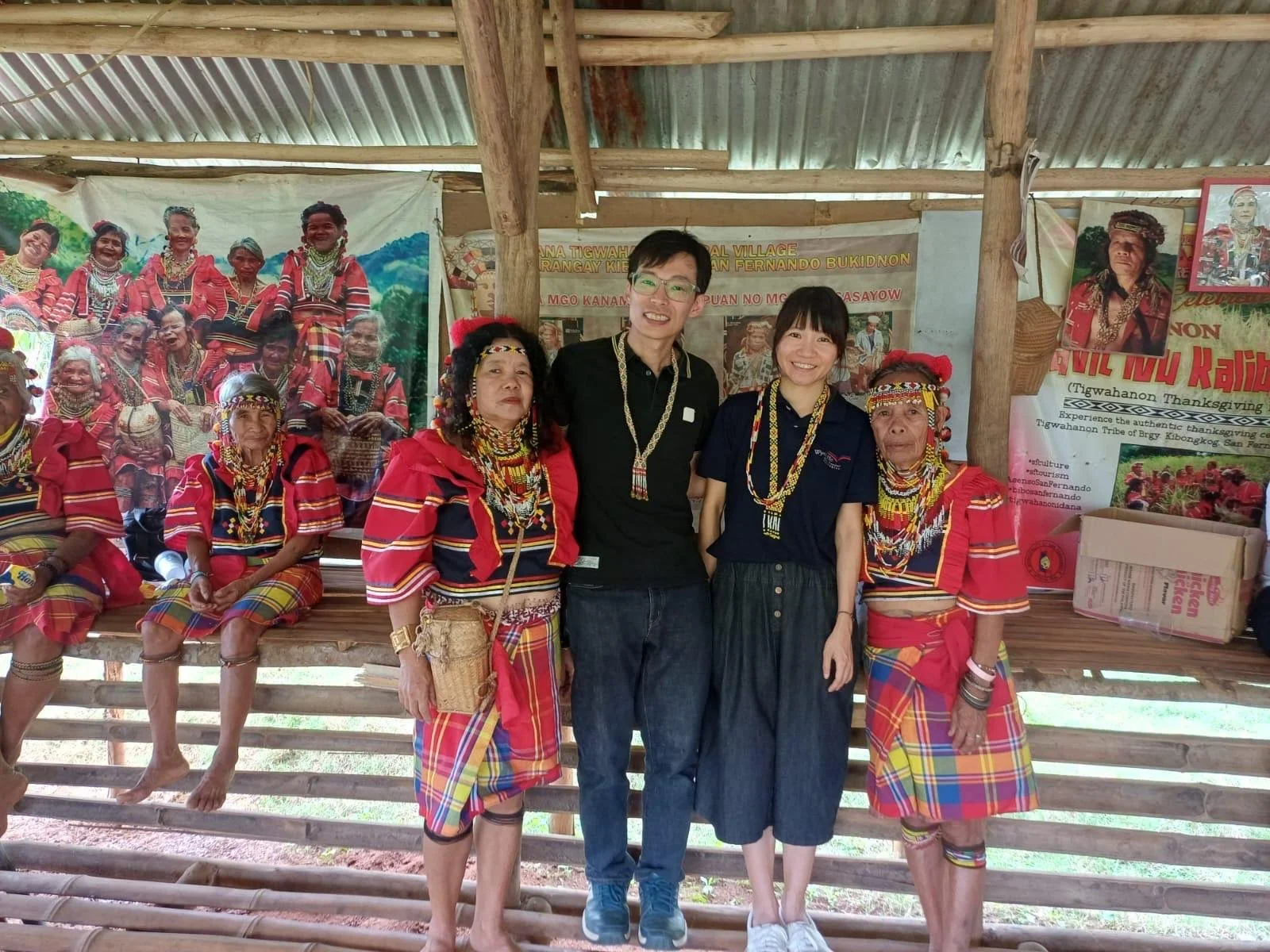
The moment happened during a Bible Awareness programme on 29 August 2026, when members of the community received copies of the Gospel of Matthew translated into Pulangiyen with the support of Wycliffe Philippines.
Five people were invited to read Scripture aloud in their own language. As the familiar words were spoken, the community could hear God's Word in the language they speak and understand. What began as a simple Bible reading became a significant reminder that their language matters and that Scripture is for every community.
Reaching the Unreached
The Bible Awareness programme was part of a wider evangelistic and medical mission in Barangay Butong, Quezon, Bukidnon, led by The Hands of Hope Evangelistic and Medical Ministry in partnership with Wycliffe Philippines.
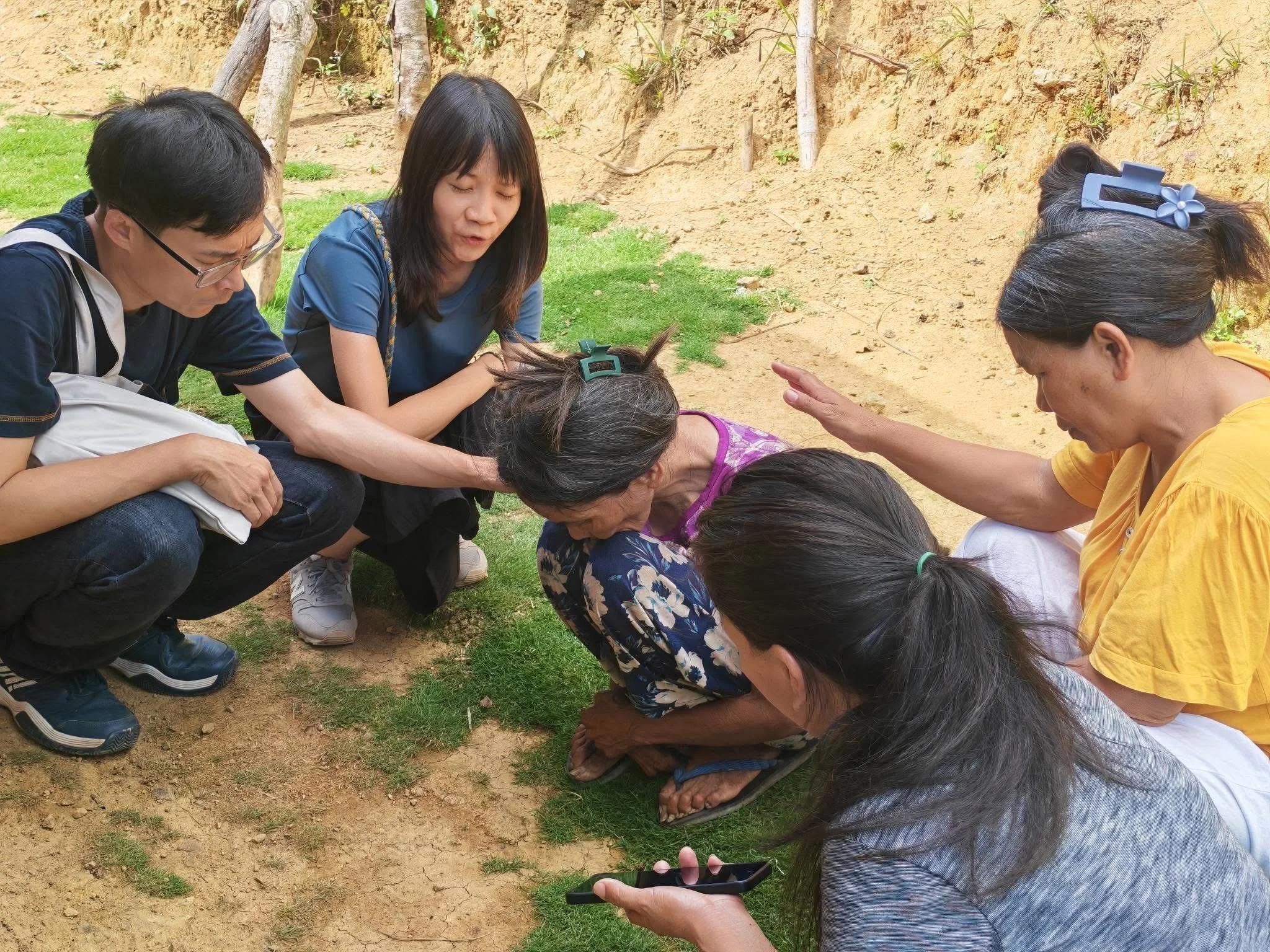
An opportunity to be a blessing: Andy and Shelley pray with a woman from one of the language communities served by Wycliffe Philippines, sharing God’s love through prayer and compassion.
Finally, Bible translation honors culture and shapes identity. Through contextualization, Scripture is translated in ways that enable communities to understand God’s Word within their own cultural setting. For example, in 1 Corinthians 3:2, Paul speaks of feeding believers “milk, not solid food.” In some Chinese translations, “solid food” is rendered using terms such as “rice” or “grain” to reflect traditional dietary contexts while effectively conveying the core spiritual meaning.
I deeply resonate with the slogan on the SIL calendar: “Because people matter, their languages matter.” At its core, Bible translation is about seeing people as they truly are. By honoring their language and culture, we affirm their dignity and recognize each community as unique and precious in God’s eyes.
Unforgettable Field Experiences
During this trip, two experiences stood out as particularly unforgettable. In Tabuk, I learned about the ongoing ministry among the Bago people. A consultant facilitated a three-day workshop to help Mother Tongue Translators (MTTs) understand and structure their language linguistically, laying a solid foundation for future translation work.
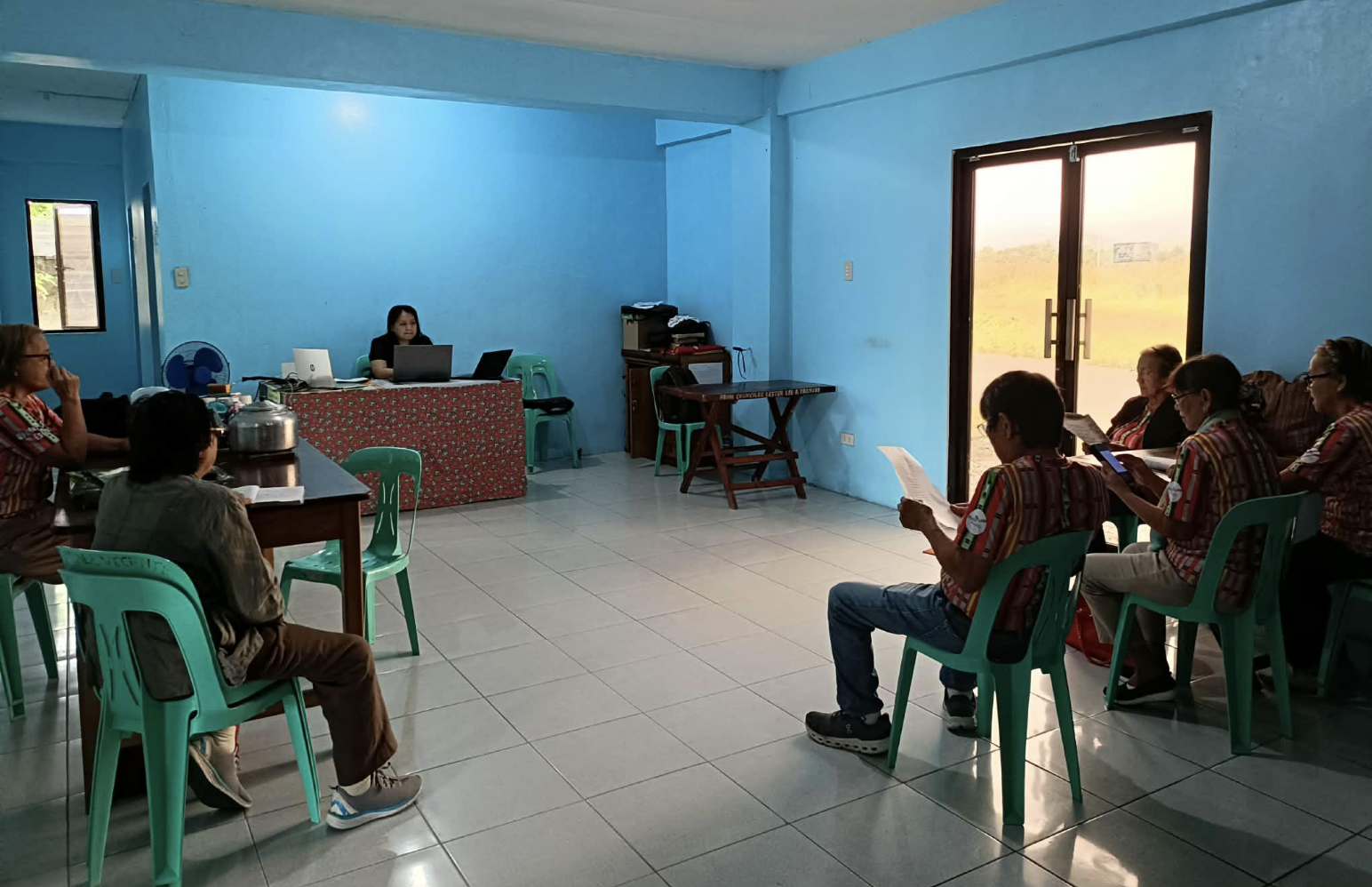
The participants engaged enthusiastically, contributing local examples and collectively drafting nearly twenty pages of basic grammar notes. Watching them earnestly review the fruit of their labor—and seeing how deeply they cherished their mother tongue—moved us deeply. It reminded me that Bible translation is not just about preserving a language; it is about honoring a people and their heritage.
Additionally, although most of the Bago MTTs are elderly, their vitality is inspiring. Beyond their translation work, they remain actively involved in their churches and local communities. One translator, Uncle Romeo, shared that he had held no leadership roles in his church before becoming a translator. Since taking on this role, however, he has been invited to preach and lead prayers, using his gifts to serve fellow believers. Although he had previously been diagnosed with cancer, he shared that the joy of ministry had noticeably restored his health. Translation work has clearly renewed his sense of self-worth and purpose.
During our stay, we were also invited to attend a local wake, where Uncle Romeo offered words of comfort and the Bago translation team sang a hymn of praise. This experience showed me that Bible translation does far more than unite a community—it empowers individuals to become sources of blessing to those around them.
Another highlight was spending two days in a village with the Iwak people. During our visit, the translation team presented their progress to the community, beginning with popular worship songs translated into Iwak, such as “10,000 Reasons.” Hearing the villagers worship the Lord in their heart language with such joy was deeply touching.
The team then read three translated Scripture passages aloud and invited feedback. Community members asked thoughtful questions about word meanings and spelling, while the translators listened humbly and explained their choices. Seeing this vibrant dialogue made it clear that having Scripture in their mother tongue is not merely a project for the translation team—it is a shared vision for the entire village.
To wrap up our visit, the villagers performed a traditional dance and invited us to join them. Although we were far from skilled dancers, we shared in their joy and cherished every moment.
Looking Ahead
Looking back, this field exposure was as much an inward journey of personal transformation as it was an outward study of mission work. Entering unfamiliar environments pushed me well beyond my comfort zone, teaching me to adapt with flexibility, rely more deeply on the Holy Spirit, and humbly acknowledge my own physical and personal limits.
Most importantly, seeing how God moves through heart-language translation has fundamentally reshaped my worldview. Carrying these insights with me, I am stepping forward with a renewed heart, prayerfully seeking how God would have me participate in and serve the global mission of Bible translation.
Reflections by Shelley Law
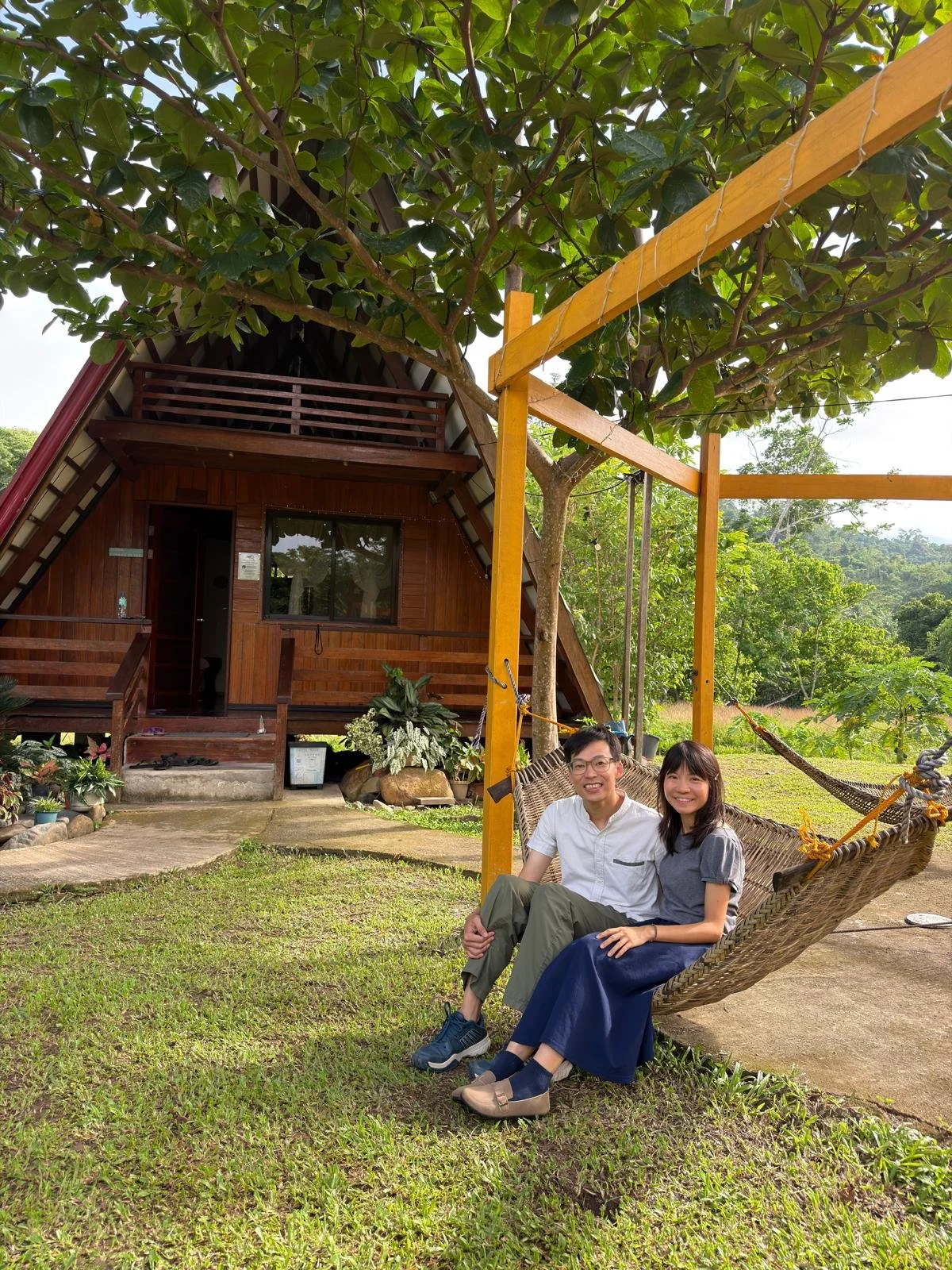
Andy and Shelley Law, a married couple from two different Bible seminaries, were endorsed by Wycliffe Hong Kong to explore internship opportunities with Wycliffe Philippines. They spent nearly two months serving and learning alongside Wycliffe Philippines teams. Although their schools have different internship requirements, they share a deep passion for missions and a desire to seek God’s guidance as they discern His calling for their future.
To support us, you may click here to visit our donate page.